
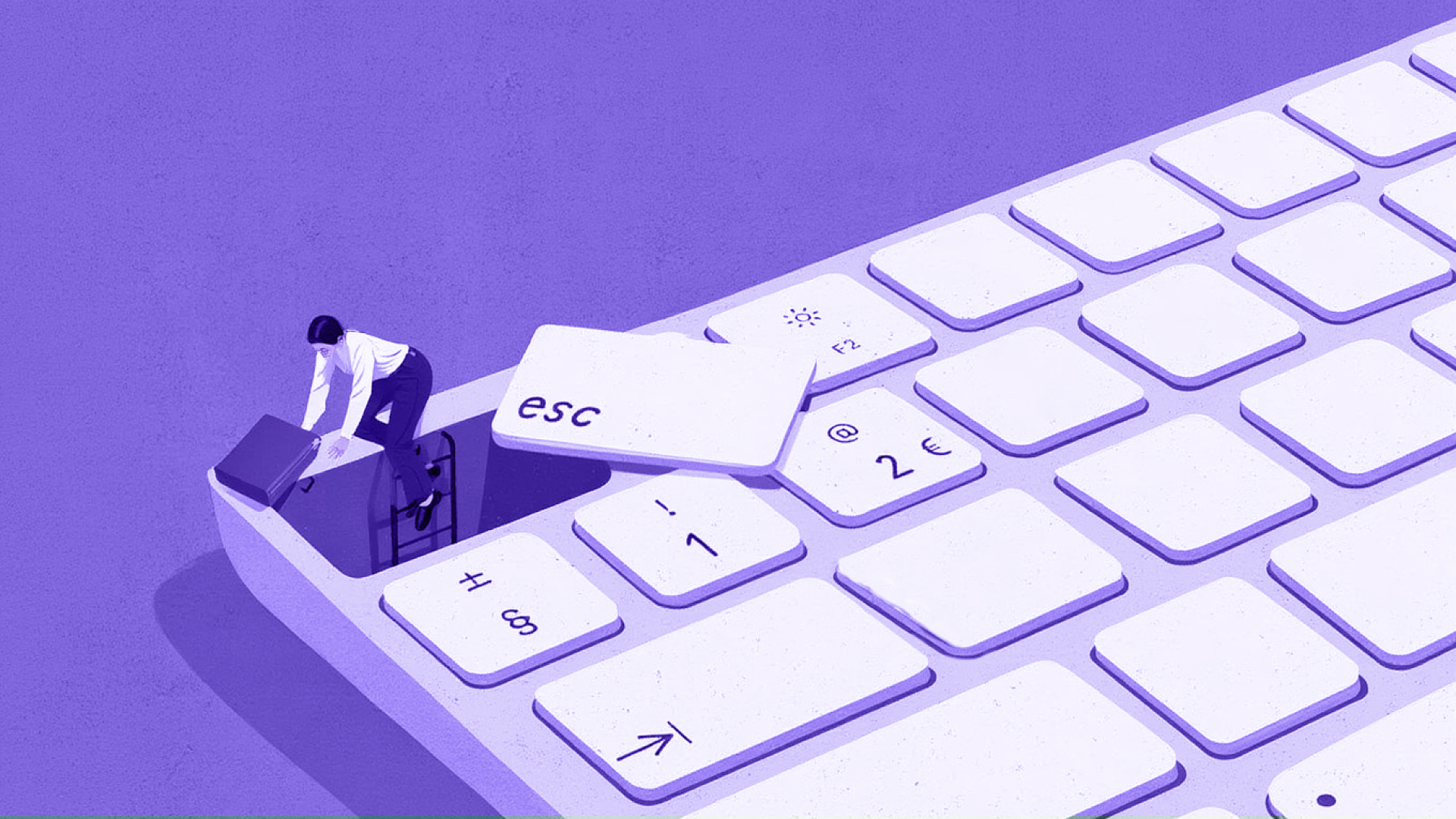
In a world that glorifies perseverance and praises staying the course no matter the circumstances, choosing to withdraw can seem unusual. Some may even view it as a sign of weakness or failure. Yet the truth that is rarely spoken is that stepping away, when done thoughtfully, can be one of the most mature and conscious decisions a person makes.
The Difference Between Withdrawal and Escape
Escape happens when we face a challenge and decide to shut the door and walk away without understanding what happened or why we felt powerless. It is an emotional reaction, similar to someone who turns off the light out of fear instead of looking for a candle. Mature withdrawal, in contrast, is a decision that comes after long reflection and careful evaluation of our mental well-being, our professional future, and whether the environment we are in is truly worth staying in.
Imagine a young professional working in a place that does not value their effort. Every day feels draining. They go home feeling as though their spirit has been exhausted. They try to learn and grow, but no one opens a door for them. Worse, they are asked to compromise their values, to go along with things they do not believe in just to keep their position. In such a situation, is staying a virtue, or is leaving the right step?
When the Environment Is Not Right, the Signs Begin to Appear
Chronic exhaustion is not simply physical fatigue, it is an internal message saying, “This place is not giving me what I need.” When months pass without learning anything new or when you feel stuck in an endless loop, this is not a temporary slowdown, it is a sign that growth has stopped. If you find yourself compromising your principles or experiencing unexplained physical symptoms caused by stress, or if you work in an environment filled with bullying or gossip, none of this is normal, and none of it should be tolerated.
Sometimes the signs are not even clear. There may simply be a deep inner feeling that “this is not my place.” That intuition, though invisible, is often very honest.
How to Make the Decision to Withdraw
The decision does not come suddenly. It begins as doubt, then becomes a question, then turns into internal exploration. At this stage, it helps to sit with yourself and write down everything positive and negative about your current situation. Do not judge quickly, simply observe. Then talk to someone you trust, someone who knows you well, or a career mentor who can help you see the situation from a different angle.
After that comes planning. Do you have savings to support you during a transition period? Have you started searching for new opportunities? Have you updated your resume? These steps are not escape, they are preparation for a new path.
How to Leave with Respect
Withdrawal does not mean disappearing without a trace. It means leaving while maintaining your professionalism. Choose suitable timing, avoid leaving in the middle of an important project, write a resignation letter that expresses gratitude without blame, hand over your tasks in good order, and remain professional until the final moment. The way you exit may open doors for you later, or close them permanently.
Also, try to solve the problem internally first. Speak with your manager and express how you feel. There may be a solution you have not yet considered. If not, then make sure you are prepared. Do not rush to announce your decision to everyone, and do not accept any offer to stay before asking yourself whether it addresses the real problem or simply covers it temporarily.
After Leaving, What Should You Do?
You may feel anxious or guilty, and that is natural. Remind yourself why you made this decision. Write a letter to yourself listing the reasons that led you to withdraw, and return to it whenever you feel doubt. Instead of regret, celebrate your courage. Recognizing that a place is not right for you and having the bravery to leave takes far more strength than staying in a comfort zone.
Stay connected with positive colleagues, and treat this phase as an opportunity to learn about yourself, your values, and the kind of environment that truly suits you.
Withdrawal Is Not the End, It Is a Beginning
At Hanan, we believe leadership is not about staying in every arena. It is about knowing when to continue, when to step back, when to realign your priorities, and when to protect your well-being so you can return stronger. A true leader does not fear redirection, they see it as a step toward deeper maturity and a wider future.


